How to Properly Dry Carpet After Water Damage and Prevent Mold
Water damage in a home or business is stressful enough without thinking about what happens underneath the surface. Once the visible water is gone, the real work begins. Knowing how to dry carpet after water damage the right way can mean the difference between a quick recovery and a long, expensive mold remediation project. I have seen too many cases where a slow response turned a manageable situation into a health hazard.
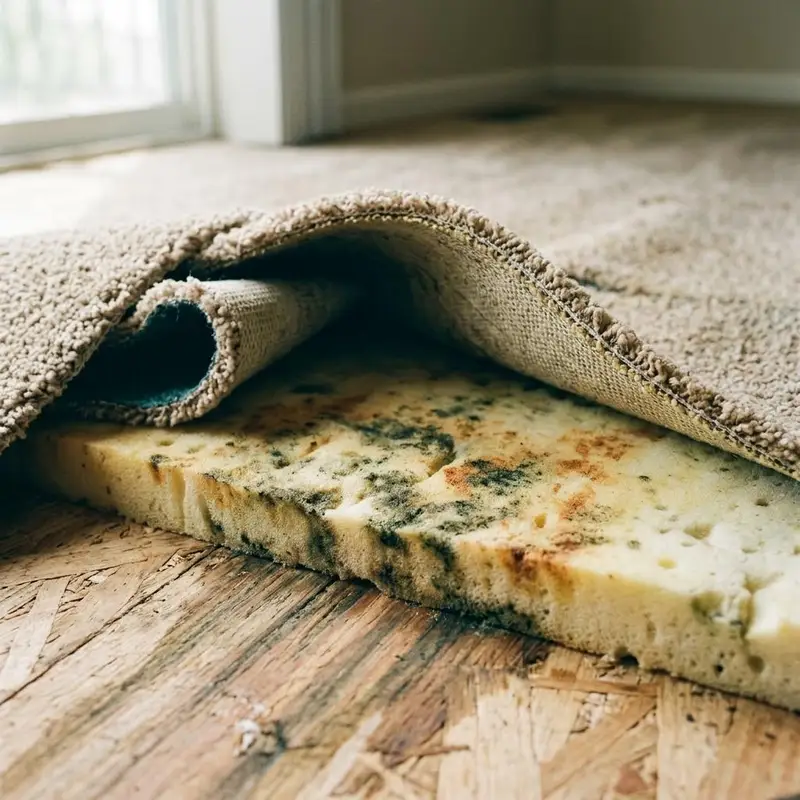
The first few hours are critical. Carpet and padding act like sponges, and if they stay wet for more than 24 to 48 hours, mold spores start to colonize. Mold inspection often reveals that the problem began not in the drywall or the baseboards, but deep in the carpet fibers and the padding underneath. That is why carpet drying should be treated with the same urgency as structural drying after a flood or a burst pipe.
Immediate Steps After Water Damage
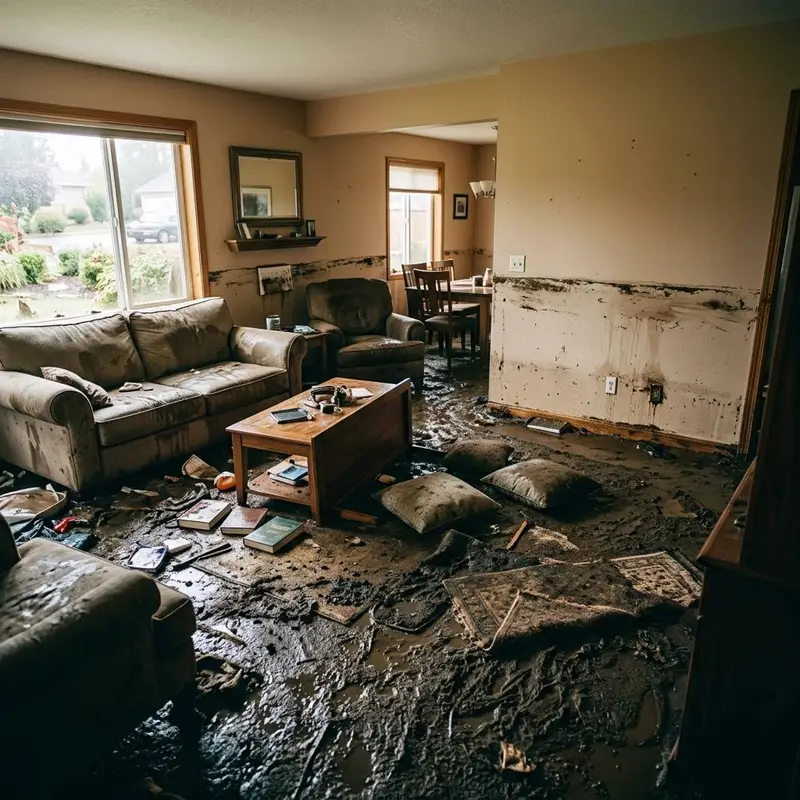
Before you do anything else, stop the source of water if it is safe to do so. Shut off the main valve for a burst pipe or move furniture out of the affected area. Then assess what type of water you are dealing with. Clean water from a supply line is one thing. Gray water from a washing machine overflow or black water from a sewage backup is another. The latter requires biohazard cleanup protocols and professional water damage restoration services.
Once you have the situation under control, your goal is to remove as much moisture as possible as fast as possible. A wet vacuum is your best friend here. It pulls water out of the carpet fibers and padding far more effectively than towels or a mop. Go over the area multiple times, overlapping each pass. If the padding is saturated to the point where it squishes underfoot, you may need to pull the carpet back and replace the padding entirely. Carpet cleaning professionals often recommend cutting the carpet into manageable sections if the room is large, lifting it, and propping it up with blocks to allow air circulation underneath.
The Role of Air Movement and Dehumidification
After extracting as much water as you can with a wet vacuum, the next phase is drying the remaining moisture out of the carpet and the subfloor. This is where an air mover and a dehumidifier come into play. An air mover is essentially a high-velocity fan designed to circulate large volumes of air across wet surfaces. Position it so it blows across the carpet, not just into the room. If you have multiple units, place them to create a cross-breeze.
A dehumidifier pulls moisture out of the air, which in turn helps the carpet dry faster. In humid climates, a dehumidifier is absolutely necessary because simply opening windows can introduce more moisture than it removes. I have worked on jobs where the homeowner relied only on fans and ended up with mold growth anyway. The combination of air movers and a dehumidifier is the standard approach recommended by IICRC-certified professionals.
Monitoring Moisture Levels
You cannot rely on touch alone to know when the carpet is dry. The surface may feel dry while the padding and subfloor are still damp. A moisture meter gives you an objective reading. These tools measure the moisture content in materials like wood and carpet. Use it to check the carpet, the padding, and the subfloor beneath. If the subfloor is still wet, you have a ticking time bomb for dry rot and mold growth. Subfloor drying may require cutting holes in the carpet and using specialized equipment to force dry air into the cavity. This is not a DIY job for most people. A mold inspection after water damage should include checking the subfloor with a moisture meter.
Cleaning and Disinfecting
Drying alone is not enough if the water was contaminated. Even clean water can leave behind residue that feeds mold and bacteria. Once the carpet is mostly dry, a thorough carpet cleaning with a disinfectant is in order. Use a product labeled for use on carpets that kills mold spores and bacteria. Follow the dilution instructions exactly. Too strong and you risk damaging the carpet or leaving a residue that attracts dirt. Too weak and you are just spreading microbes around.
After the disinfectant has sat for the recommended contact time, extract it with a wet vacuum. Then repeat the drying process. Some professionals follow up with an antimicrobial treatment that creates a barrier against future mold growth. This is especially useful in areas prone to moisture, like basements or bathrooms.
When to Call a Professional
There is a limit to what a homeowner can do. If the water damage covers a large area, or if the water was contaminated, or if you suspect mold has already started growing, call a water damage restoration company. They have industrial-grade air movers, dehumidifiers, and HEPA vacuums that can handle the job much faster and more thoroughly. They also know how to contain mold spores to prevent them from spreading to other parts of the building.
Mold remediation is not something to take lightly. Mold spores are microscopic and can cause allergic reactions, asthma attacks, and other health problems. A professional mold remediation team will set up containment, use negative air pressure, and wear protective gear. They will also perform a post-remediation verification to make sure the mold is gone. Some companies follow IAQA standards for indoor air quality testing. If you are dealing with an insurance claim, the insurance company may require documentation from a certified professional.
Preventing Future Problems
Once you have successfully dried the carpet and dealt with any mold, take steps to prevent a repeat. Fix the source of the water leak. If the leak came from a pipe, have a plumber inspect the rest of the plumbing. If the water came from outside, check your gutters, downspouts, and grading around the foundation. A dehumidifier in the basement can keep humidity levels below 50 percent, which makes it hard for mold to grow.
Regular carpet cleaning and prompt attention to spills also help. But the most important lesson is speed. The faster you dry carpet after water damage, the less chance mold has to take hold. I have seen homes where the owners acted within hours and avoided any mold issues. I have also seen homes where the owners waited a few days and ended up tearing out the carpet, the padding, and part of the subfloor. The cost and hassle of the second scenario is many times greater than the first.
Final Thoughts on Carpet Drying After Water Damage
Water damage does not have to mean losing your carpet. With the right equipment and a systematic approach, you can dry carpet after water damage successfully and avoid the nightmare of mold remediation. Start with extraction using a wet vacuum, then use air movers and a dehumidifier to speed up evaporation. Monitor moisture levels with a moisture meter. Clean and disinfect thoroughly. If the job is too big or the water is contaminated, bring in professionals who have the tools and training to do it right.
Every situation is different, but the principles are the same. Act fast, remove the water, dry everything, and verify that it is dry. Your carpet, your indoor air quality, and your peace of mind will thank you.